
Welcome to Booker Gliding Club
Discover gliding Have you ever looked up and seen a glider soaring like a bird on Nature’s natural energy? You too could be up there. If you’re looking for a new challenge, or just an exciting day out, try gliding with Booker Gliding Club. We’re based at Wycombe Air Park, between High Wycombe and Marlow, just off the M40, easy to reach from West and Central London, Oxford and Reading.

Experience Gliding For a taster of pure flight, or a gift with a difference, we offer trial lessons and half day courses throughout the year. Once you have bought your ticket you can book your preferred date online.

Learn to Fly We have options for new starters, difference training for pilots of other types of flying, and aerobatics courses. Once you have bought your ticket you can book your preferred date online.

Become a Member We have high performance training gliders, a simulator, a large number of BGA qualified instructors and a mentoring scheme that together will ensure that your flying skills develop safely and rapidly. Whether you want to improve your cross-country speeds and technique, become an instructor or master aerobatics, look around our website and Facebook pages to see what we offer.
Booker Gliding Club
Wycombe Air Park
Clay Lane
Booker
Marlow
Buckinghamshire
SL7 3DP
Call 01494 442501
Want to know more? Follow the links below to some popular topics.
Beginner Training
Progress from first flight to solo, flexible options
Cross Country Gliding
Take on the challenge of flying away from your home airfield
Expeditions
Visit other gliding clubs, learn ridge and mountain flying
Gliding Competitions
Test your skills against your friends with cross country racing
Instructor Training
Learn to pass on your skills to new pilots
Convert from Power
Enhance your skills, have more fun
Aerobatics
Anyone can learn, from pre-solo to advanced
Find out what inspires our members to fly
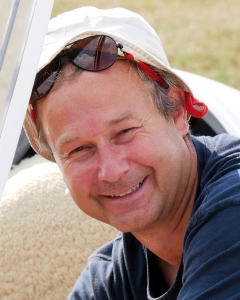
Nils
Nils started gliding at his German school’s gliding club and went solo at 15. He considered a career as a pilot but instead chose meteorology. His passion is cross-country.
Read More
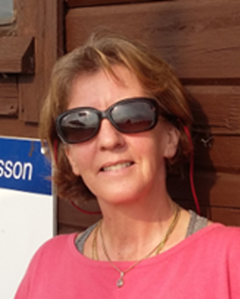
Jan
Jan first flew at age 14, she now flies big jets for a living and gliders for pleasure and challenge. She has been a member of the British Women’s team in the Worlds.
Read More
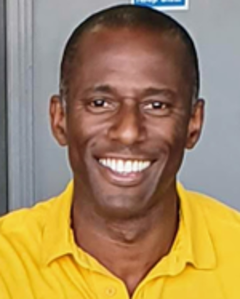
Dean
Dean came to gliding in 2021 and found progressing from complete novice to solo an exhilarating learning experience.
Read More
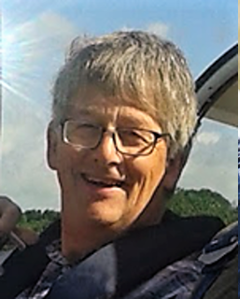
Robert
Rob began flying power planes at age 16 in New Zealand, he considered being an airline pilot but decided it wasn’t for him. He got into UK gliding when he was given a trial lesson at Booker as a gift and thought ‘this is the life’.
Read More
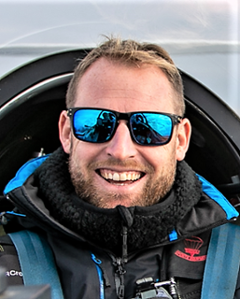
Richard
Richard is the Club’s Chief Flying Instructor and Head of Training. He started flying at 16, and now has around 5,000 hours of flight time on both gliders and light aircraft.
Read More
Our latest Instagram posts, follow us to stay up to date.
[instagram-feed feed=2]
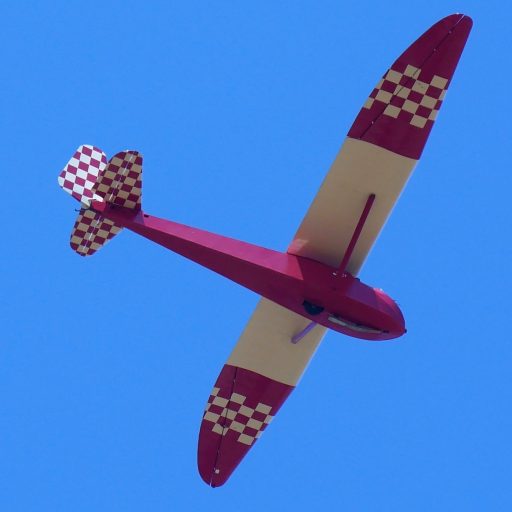
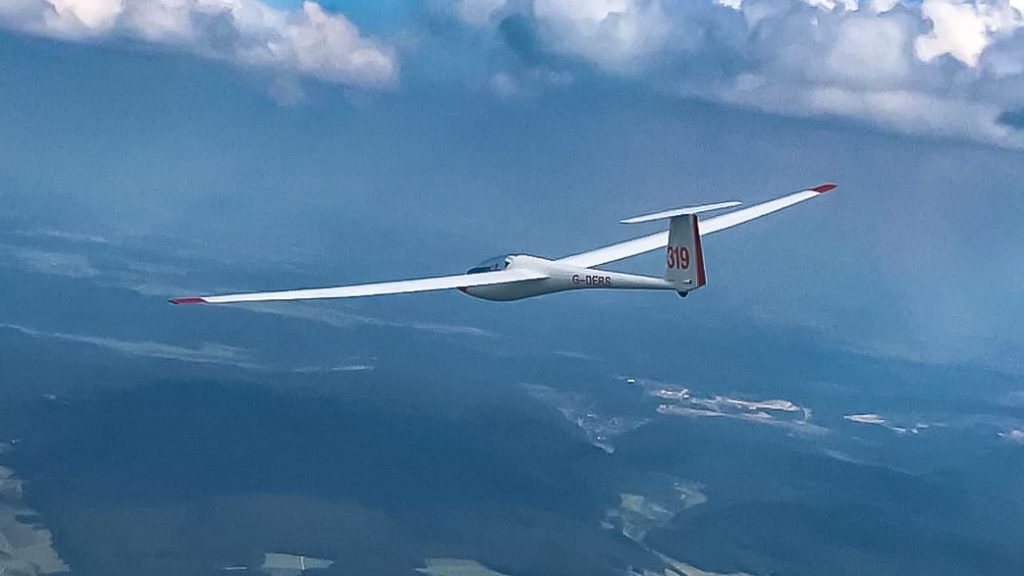
Club members enjoying some of the aircraft in our fleet





 Nils was lucky to enough to start gliding at his German school’s gliding club and went solo at 15. This was where his interest in cross-country flying began. He considered a career as an airline pilot, and then air traffic control but instead chose meteorology. He joined the nearest gliding club to his university and competed in regional and county competitions. After university in 1995, he joined the European Centre for Medium-range Weather Forecasts (ECMWF) in Reading and stayed there until 2022 when he moved to Bonn (retaining his Booker membership). He finished his PhD in 2005, while working on improving the model used for global numerical weather prediction. Soon after arriving in England he joined Booker and then bought his LS4.
 Jan had to wait until the then minimum age of 16 to go solo. She started training as a vet at 17 and chose the vet school at Edinburgh University because it had a gliding club. Once qualified, she applied for vet jobs near airfields in order to get a PPL, and flew tugs at Aboyne [Deeside GC] where she had a share in a glider. After three years as a vet she spent a year instructing power pilots at Edinburgh while getting a frozen ATPL. She flew a number of types before joining BA and now flies the 787 Dreamliner as captain. After joining Booker in 1990 she started doing National and Regional comps, and was a member of the British Women’s team in the Worlds in 2001 and 2003.
 Dean came to gliding as a liberation from the pandemic lockdown. He made a beeline for the Booker ‘Get your Solo’ course, and found progressing from complete novice to solo an exhilarating learning experience. After going solo he enrolled in an aerobatics course, which sharpened his handling skills to allow him to perform complex aerobatic manoeuvres. He enjoys the stunning views and being close to nature, and says ‘gliding is an accessible, affordable aviation sport that anyone can enjoy’.
 Richard Crockett is the Club’s Chief Flying Instructor and Head of Training. He started flying at 16, and now has around 5,000 hours of flight time on both gliders and light aircraft. He holds CAA FI and FE ratings, along with a Part-66 aircraft maintenance licence. Richard is also fortunate enough to be a display pilot with the Shuttleworth Collection having joined in 2018, and is honoured and privileged to fly a selection of their rare and unique vintage aircraft. He also volunteers as a Senior Investigator of Air Accidents, and Regional Examiner for the British Gliding Association. Richard works for the CAA as a Flight Standards Officer. He is a Fellow of the Royal Aeronautical Society